
This article explores the energy-saving potential of smart glass technology in hot climates.
By controlling heat gain and loss, smart glass can significantly reduce air conditioning costs, promote smarter energy consumption, and decrease a building’s carbon footprint smart glass.
With the growing concern for environmental sustainability, this innovative technology offers a viable solution for energy efficiency, marking a significant stride towards greater freedom from energy constraints and excessive carbon emissions.
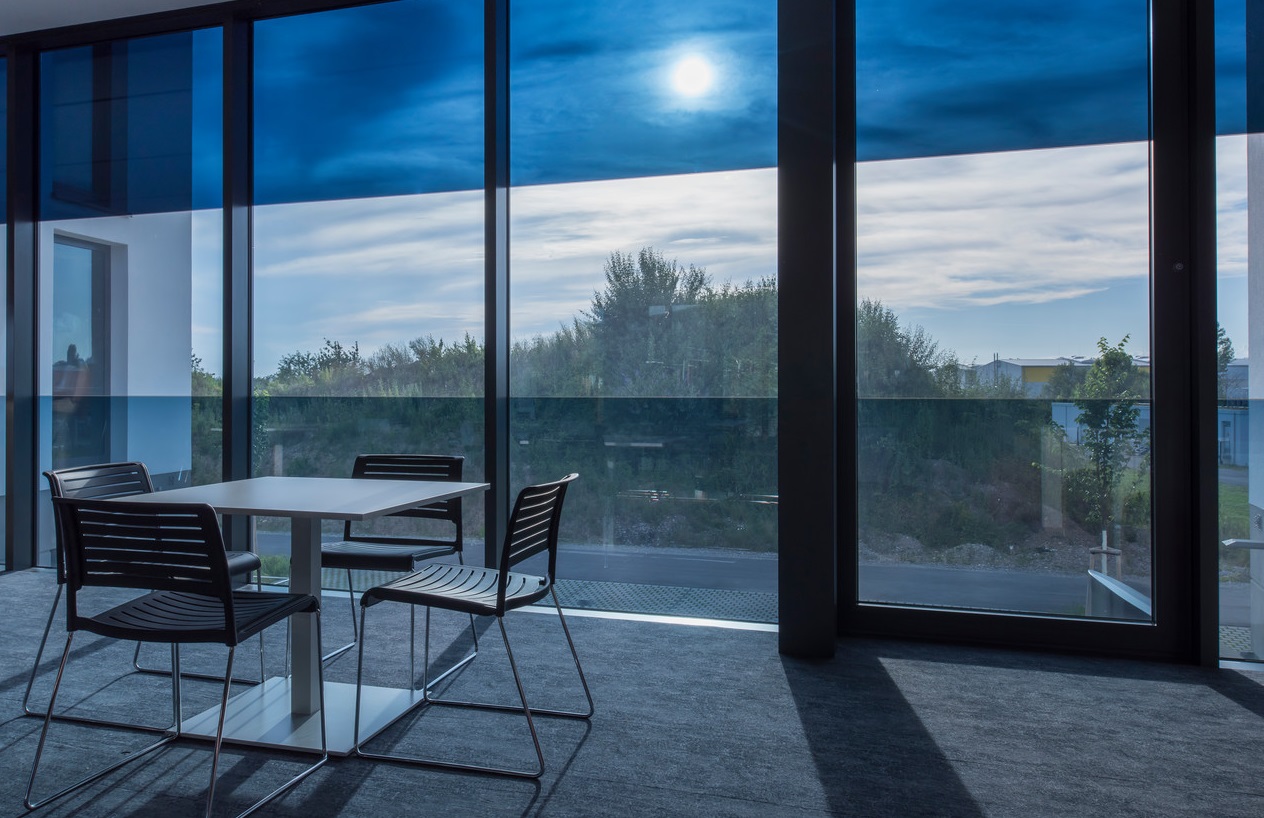
Understanding Smart Glass Technology
Smart glass technology, a revolutionary innovation in the field of building materials, leverages the principles of electrochromism to modulate light transmission based on environmental conditions switchable smart glass. This dynamic process provides a unique solution for those seeking freedom from the constraints of traditional window treatments, such as curtains and blinds.
The underlying mechanism relies on the application of low-voltage electricity to a thin layer of indium tin oxide or another electrochromic material. When the electrical charge is applied, the material undergoes a chemical reaction that changes its optical properties, allowing it to darken or lighten according to the intensity of the charge.
This translates to significant energy savings in hot climates, as smart glass can automatically adjust to reduce solar heat gain, thereby decreasing the reliance on air conditioning systems. Additionally, it offers improvements in comfort, privacy, and aesthetic appeal.
However, despite its clear benefits, the adoption of smart glass technology has been limited by its high upfront costs and the need for specialized installation. As the technology matures and economies of scale are achieved, it is anticipated that these barriers will diminish, leading to more widespread use.
How Smart Glass Works
This electrochromic technology operates through a sophisticated yet straightforward process. Smart glass, or electrochromic glass, works by applying a low voltage electrical charge to a micro-thin layer of metal oxides fitted within the glass. This triggers a chemical reaction that adjusts the amount of heat and light the glass lets through.
In its ‘off’ state, the ions in the glass are scattered, causing it to be opaque, thus reducing the amount of heat and light passing through. When a voltage is applied, these ions organize themselves into a structured, transparent layer, allowing more light and heat to pass through. This process is referred to as ‘tinting’ and ‘clearing’.
The transition time from a clear to tinted state or vice versa can take a few minutes, depending upon the size of the glass and the amount of voltage applied. It’s a seamless process that doesn’t require any user input and can be controlled remotely, offering a high degree of flexibility and control over indoor environments. This technology is particularly beneficial in hot climates where maintaining a cool indoor temperature is vital.
Reducing Air Conditioning Costs
One significant advantage of utilizing smart glass in hot climates is the potential to reduce air conditioning costs dramatically. The innovative technology behind smart glass allows it to adjust its transparency based on the intensity of sunlight, thereby moderating the amount of solar heat gain inside a building.
In hot climates, where the sun’s radiant energy is abundant, traditional glass windows allow a high percentage of this energy to enter buildings, subsequently increasing the internal temperature. This necessitates the use of air conditioning systems to maintain a comfortable indoor environment, resulting in high energy consumption and costs.
However, when smart glass is used, it can limit the amount of solar energy entering the building by becoming more opaque in response to intense sunlight. This reduces the need for air conditioning, as the indoor temperature remains relatively constant, regardless of the external weather conditions.
The potential cost savings can be significant. In fact, a study by the National Renewable Energy Laboratory found that smart glass could save up to 8% of a building’s total energy consumption. Thus, smart glass represents a technologically advanced, cost-effective solution for energy management in hot climates, providing a significant step towards energy independence.

Smarter Energy Consumption
In addition to cost savings, the implementation of smart glass in hot climates promotes a more intelligent approach towards energy consumption. Smart glass harnesses the power of the sun, using it to our advantage rather than as a persistent adversary to comfort. This is achieved through a seamless, automatic process, negating the need for human intervention.
The technology behind smart glass involves electrochromic processes, which allow the glass to darken or lighten in response to the intensity of sunlight. When the sun is at its peak, the glass darkens, reducing the amount of heat entering the building. Conversely, as the sun sets, the glass lightens, allowing more natural light in. The result is a significant reduction in both cooling and lighting costs.
This smart approach to energy consumption is not only cost-effective but also environmentally responsible. By reducing the need for artificial lighting and air conditioning, we minimize our carbon footprint, contributing to global efforts in combating climate change. Moreover, the use of smart glass ensures the freedom of building occupants, allowing them to enjoy natural light without the discomfort of excessive heat. The implications for design, comfort, and sustainability are profound, marking a new era in energy consumption.
Lowering Your Carbon Footprint
How, then, does the utilization of smart glass in hot climates contribute to lowering your carbon footprint? The answer lies in the technology’s capacity to control and optimize natural light and heat.
Smart glass, by default, is designed to regulate the amount of sunlight that penetrates into buildings. This feature minimizes reliance on artificial lighting and air conditioning systems, which are major contributors to greenhouse gas emissions in hot regions. By lessening the demand for these energy-intensive systems, smart glass consequently reduces the carbon emissions associated with their use.
Moreover, the use of smart glass can lead to significant energy savings. Studies indicate that buildings with smart glass windows can save between 20% and 30% on their energy bills. This reduction translates to fewer carbon emissions, as less energy is required from fossil-fuel burning power plants.
In essence, the integration of smart glass in buildings located in hot climates directly contributes to carbon footprint reduction. It provides an innovative, efficient, and environmentally friendly solution for temperature and light control, thereby promoting both energy conservation and carbon emission reduction. This, in turn, facilitates the transition towards a more sustainable and carbon-neutral future.
Conclusion
In conclusion, smart glass technology offers an effective solution to energy consumption concerns in hot climates. This innovative technology aids in reducing air conditioning costs, enables smarter energy use, and substantially lowers carbon footprints.
Therefore, smart glass represents a significant stride towards sustainable and environmentally-friendly living, providing a practical and efficient way to manage energy consumption. This lends credence to its potential as a game-changing technology in energy management and conservation.